







Search Results for: flavor enjoyment period
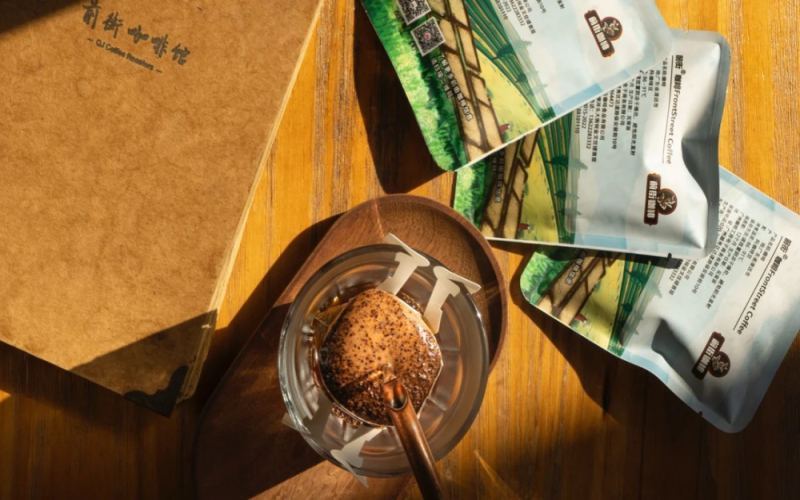
What is the difference between the shelf life and the optimal enjoyment period of drip bag coffee? An analysis of brewing water volume and techniques
Although drip bag coffee may be labeled with a shelf life of up to 12 to 18 months, the window during which its flavor is truly at its best is very short. Through comparative experiments, Front Street Coffee found that drip bags made from freshly roasted beans typically show a noticeable decline in aroma after three weeks, while anaerobic-process types can maintain their quality for about a month. Therefore, they insist on making each drip bag on-site after an order is placed, and recommend that consumers finish drinking it within 20 days. This article will also explain the appropriate amount of water and the staged pouring method when brewing drip bag coffee, and recommend three classic coffee beans suitable for making drip bags, helping enthusiasts easily enjoy a good cup of coffee at home. [more…]

Ice Drip Coffee Powder-to-Water Ratio | How Long Does It Take to Make Ice Drip Coffee? What Coffee Beans Are Suitable for Ice Drip Cold Brew? What Is the Best Enjoyment Period for Ice Drip Cold Brew?
For more specialty coffee knowledge, please follow our WeChat official account: FrontStreet Coffee. In the heat of summer, iced coffee is one of the refreshing beverages to beat the heat. When you walk into a coffee shop, you may notice that the price of cold drip coffee is noticeably higher than that of regular iced coffee. Cold drip coffee, of course, [more…]
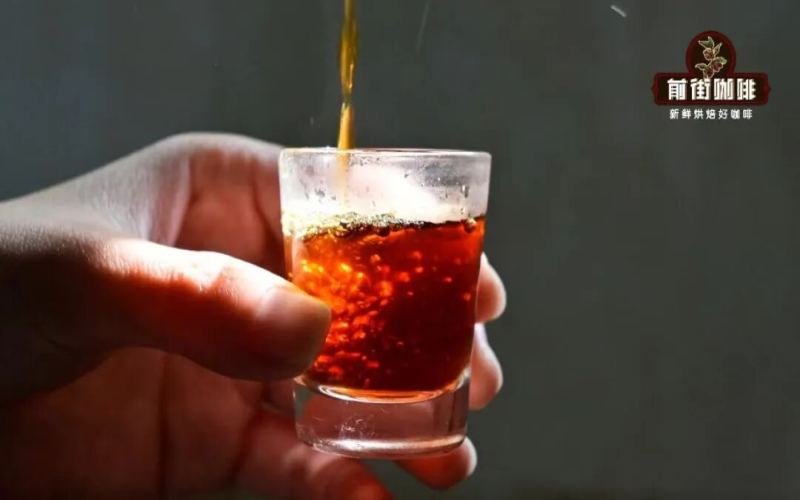
Coffee Tasting Time | How soon after brewing is it best to finish a pour-over coffee? What changes in the coffee flavor of a pour-over coffee the longer it sits?
The peak flavor period refers to the optimal window for tasting coffee beans after roasting is completed. During this time, because there is not too much carbon dioxide interference, and the coffee's flavor compounds have not yet been lost in large amounts, we can brew coffee with the richest aroma and obtain the most complete flavor experience. But did you know, [more…]
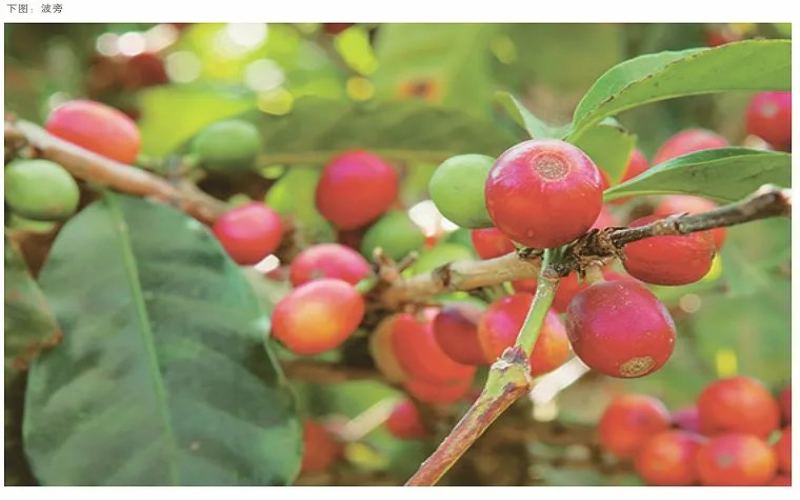
Bean usage periods and opened-bag storage for fully automatic coffee machines: a drinking rhythm that keeps flavor consistently on point
After coffee beans are roasted, they continue to release a large amount of carbon dioxide gas internally. In the pressurized extraction environment of a fully automatic coffee machine, the state of gas release directly affects the contact between water and coffee grounds. Understanding the degassing patterns of coffee beans and the resting period helps the machine extract a more [more…]
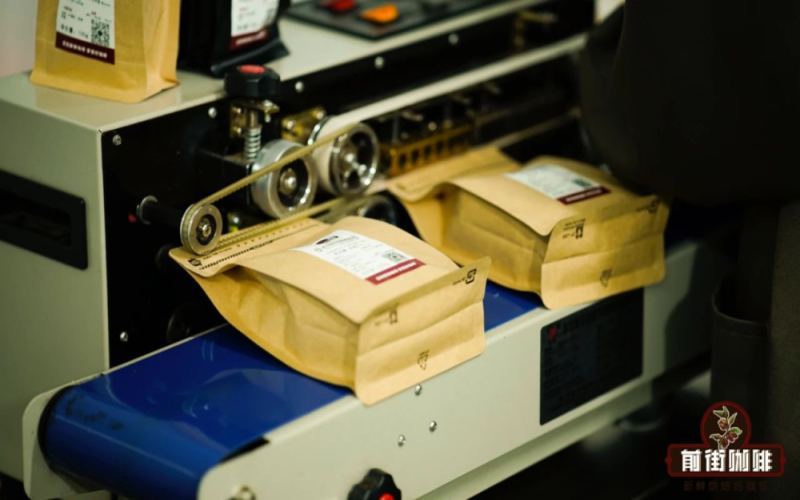
Must-Read for Coffee Beginners: Correct Storage Methods and Optimal Flavor Period for Freshly Roasted Coffee Beans and Freshly Ground Coffee
Friends who have just gotten their hands on freshly roasted coffee beans are often puzzled: the one-way valve on the coffee bag is clearly meant to release carbon dioxide, so why seal it off once the beans are ground? In fact, this comes down to the logic of preserving coffee flavor—whole beans release gas slowly, but once ground, flavor loss accelerates dramatically. Front Street Coffee has accumulated extensive experience in daily roasting and packaging. This article will systematically walk beginners through the key points of storing fresh coffee—from the function of the one-way valve, whether ground coffee needs resting, the difference between shelf life and peak flavor period, to the storage methods best suited to whole beans and ground coffee respectively—to help you enjoy a full-flavored cup within the optimal window. [more…]
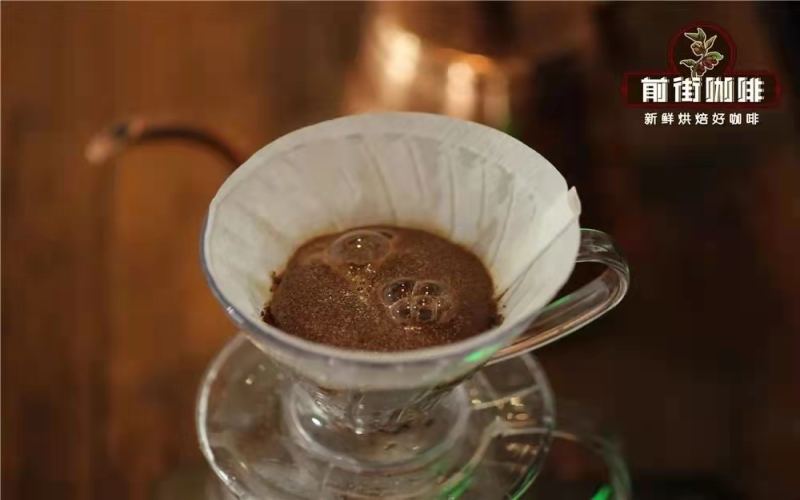
How Many Days Do Coffee Beans Need to Rest? Is Sealed Resting for Pour-Over Beans Feasible? One Article Explains Degassing and the Flavor Peak
Should freshly roasted coffee beans be brewed right away? How many days should you actually wait for resting? This article starts with the principles of coffee bean degassing, explaining why freshly roasted beans need to rest and how the resting period is affected by roasting method, roast level, and roasting style. It also offers practical ways for ordinary consumers to judge the resting period, helping you find the flavor peak of each bean. Drawing on Front Street Coffee's semi-direct fire roasting experience, the article explains reference resting days for medium-light and medium-dark roasts, and addresses whether fully sealed resting is feasible. [more…]
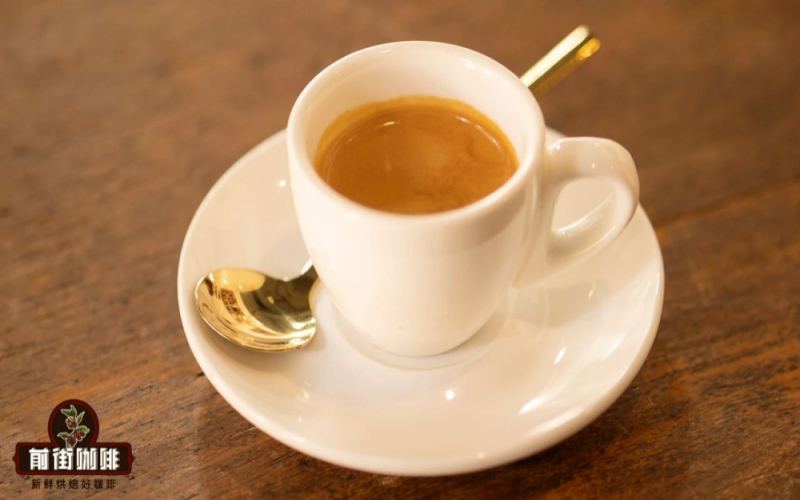
Espresso Brewing Guide: Standard Parameters, Flavor Characteristics, and Four Front Street Coffee Blend Recommendations
Espresso is the cornerstone of the modern coffee system and a topic every coffee lover cannot avoid. What should a qualified espresso look like? How should the six major parameters—dose, ratio, time, flow rate, pressure, and water temperature—be understood and coordinated? Starting from the production practices of Front Street Coffee, this article systematically sorts out the extraction standards and flavor characteristics of espresso, and provides a detailed introduction to the recipes, flavors, and applicable scenarios of four espresso coffee beans: Front Street Dark Cocoa Blend, Specialty Blend, Commercial Blend, and Warm Sun Blend. Finally, it includes practical reminders on coffee bean purchasing and the optimal tasting period, helping you make a satisfying Espresso at home or in a shop. [more…]
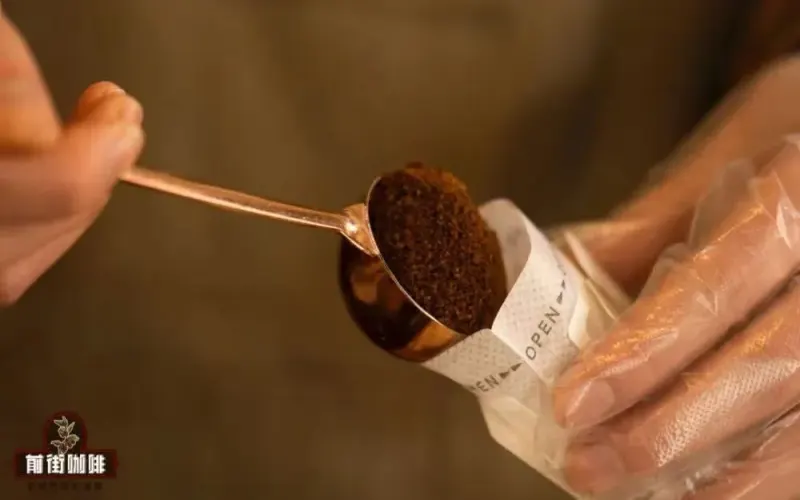
Drip Bag Coffee Shelf Life and Peak Flavor Period Explained: How Is It Different from Instant Coffee?
The shelf life of drip bag coffee is usually labeled as 12 to 18 months, but this is only a food safety limit—what truly determines whether a cup of coffee tastes good is its peak flavor window. This article will start with where coffee flavor comes from, explain why drip bag coffee's flavor noticeably declines within about three weeks after roasting, and clarify the essential differences between drip bag coffee and instant coffee in terms of composition and health effects. At the same time, Front Street Coffee will share a simple and easy-to-follow drip bag brewing method, including water temperature, pouring rhythm, and total water volume control, to help you enjoy a full-flavored cup of black coffee within the optimal time. [more…]
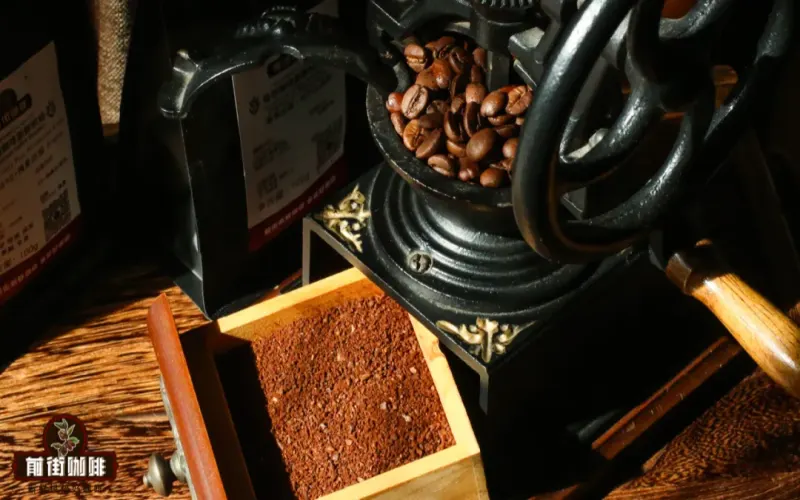
After coffee beans are ground into powder, how long is the remaining flavor period? Coffee powder storage methods and the truth about flavor loss
Many people care about the shelf life of ground coffee, but what truly deserves attention is its peak flavor window—the optimal time for enjoying it. Once coffee beans are ground, aroma molecules volatilize more rapidly, and flavor loss occurs far faster than with whole beans. Through experiments, Front Street Coffee found that the peak flavor window of ground coffee is about two-thirds that of whole beans; if beans have a 45-day window, ground coffee has only about 30 days. This article provides a detailed analysis of how the peak flavor window of ground coffee is calculated, why flavor loss occurs, and shares Front Street Coffee's recommended method of sealed portioned storage, helping you enjoy a cup of coffee with full flavor before the aroma fades. [more…]
How Many Days Does Coffee Need to Rest? A Complete Guide to Resting Times and Shelf Life for All Types of Coffee Beans
You just bought coffee beans, couldn't wait to brew a cup, only to find the taste less than ideal—then a few days later, you brew again and it suddenly becomes mellow and smooth. The key behind this is the "resting period." During roasting, coffee beans accumulate a large amount of carbon dioxide. If these active gases are not released in time, they can seriously interfere with the extraction process, preventing flavor compounds from being fully released. This article will explain in detail the principles of resting, how long coffee beans of different roast levels and uses need to rest, key points for daily storage, and the difference between the optimal flavor period and the shelf life. The article also combines Front Street Coffee's practical experience, providing recommended resting days for hand-brewed single-origin beans and espresso blend beans respectively, to help you enjoy a good cup of coffee at the most suitable time. [more…]
What's the difference between coffee bean shelf life and peak flavor period? An analysis of how production date affects flavor and the necessity of resting beans
Have you ever paid attention to the expiration date and production date on a bag of coffee beans? For specialty coffee, focusing only on the food-safety expiration date is not enough—we care more about the peak period of coffee flavor, the "prime tasting window." During this window, the aromatic characteristics of the coffee beans are fully expressed, rather than the coffee simply being a safe drink. At the same time, opinions vary widely on the "resting period" for beans: some suggest drinking them as soon as you receive them, while others insist on waiting several days. This article will start from the relationships among the expiration date, the prime tasting window, the production date, and the resting period to help you clarify these concepts, and will share Front Street Coffee's practical recommendations, so you can more confidently judge when to enjoy a good cup of coffee. [more…]
From Degassing Cycle to Opening and Storage: The Flavor Rhythm and Bean Selection Recommendations for Making a Delicious Latte
Freshly roasted coffee beans are filled with carbon dioxide internally. When making a latte, the state of gas release directly affects extraction efficiency and the degree of integration with the milk. Understanding the degassing process of coffee beans at different stages helps us taste a balanced and full-bodied coffee flavor during the phase when aromatic compounds are most active. The initial period after roasting is [more…]
Medium-Dark Roast Moka Pot Coffee Bold Extraction Guide: Heating Methods and Key Operating Points Explained
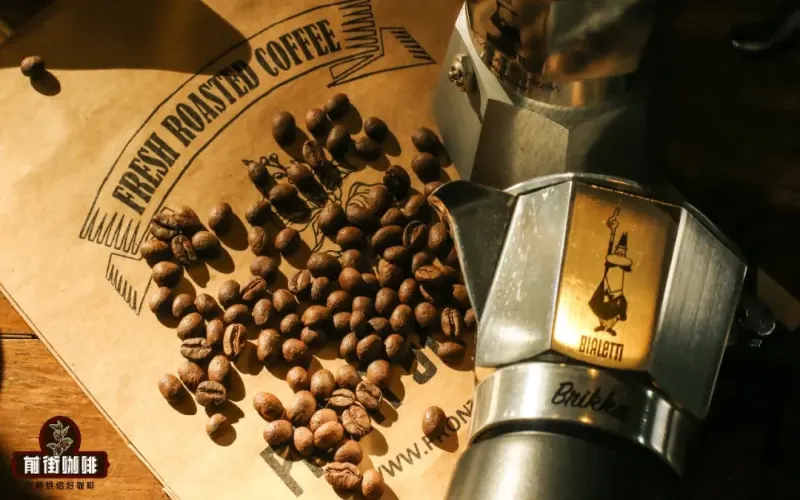
The moka pot, with its high-temperature, pressurized extraction method, can produce a rich and full-bodied coffee liquid. Since its invention in 1933 by the Italian Alfonso Bialetti, it has remained a common appliance in European households, especially in Italian kitchens. Starting from the structural principles of the moka pot, this article will explain the choice of materials and heating methods, and focus on sharing how to improve the concentration and crema performance of medium-dark roasted moka pot coffee through water temperature control, grind size adjustment, and pacing of the heating. At the same time, combined with Front Street Coffee's medium-dark roasted bean recommendations, it helps coffee lovers enjoy a thick and full cup of moka pot coffee within its optimal flavor period. [more…]
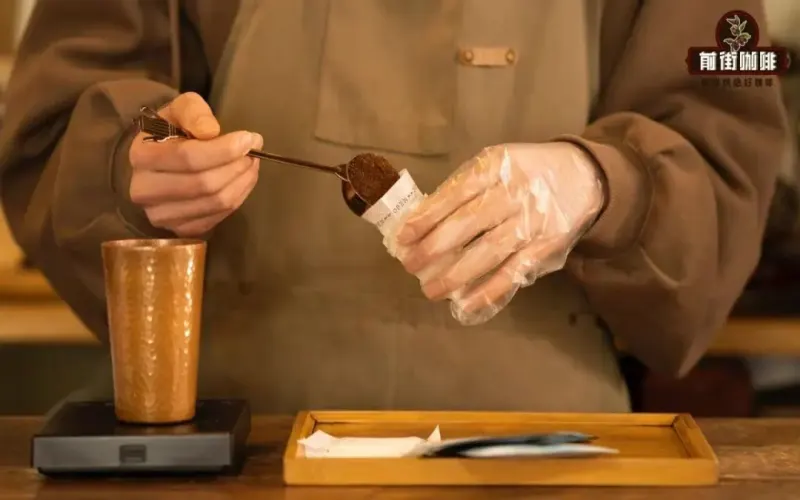
Drip Coffee Bag Shelf Life and Optimal Flavor Period Explained: Why Ground Coffee's Best Flavor Lasts Only One Month
Drip bag coffee is the preferred way for many office workers and people on the go to enjoy black coffee, but have you ever paid attention to its shelf life? Compared with whole coffee beans, pre-ground drip bag coffee loses its flavor noticeably faster. Front Street Coffee insists on grinding and preparing each order fresh, precisely to preserve the best flavor of every drip bag as much as possible. This article will explain in detail the principles of coffee aroma volatilization, clarify the differences in shelf life between whole coffee beans and ground coffee powder, and introduce the product features and tasting order of Front Street Coffee's classic five-origin drip bag coffee, helping you better understand and store the specialty drip bags in your hands. [more…]
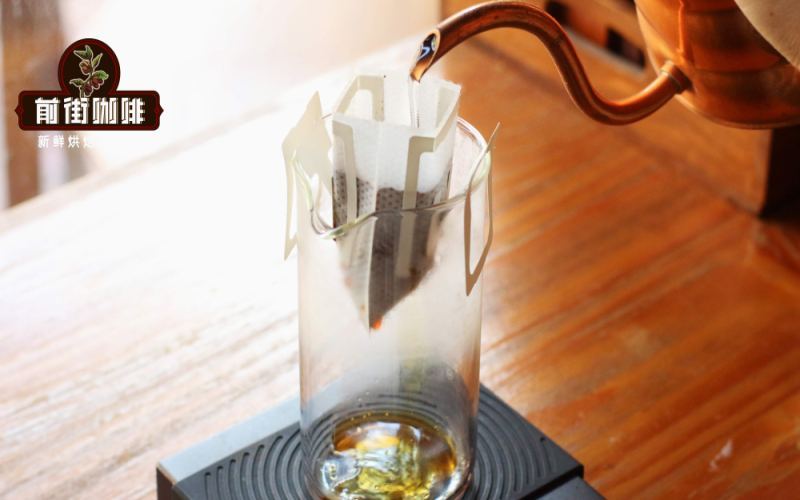
An Analysis of the Differences Between Drip Bag Coffee and Instant Coffee: Brewing Methods, Flavor Shelf Life, and Effects of Long-Term Consumption
Although drip bag coffee and instant coffee are both convenient, their essential differences are significant. Drip bag coffee is pre-ground coffee containing coffee bean particles that cannot dissolve directly in water and requires pouring water through for extraction; instant coffee, on the other hand, is a soluble powder obtained after extraction and drying. This article provides a detailed comparison of the two in terms of production processes, flavor retention, and brewing methods, and explains the optimal enjoyment period for drip bag coffee and the potential effects of long-term consumption. At the same time, Front Street Coffee shares several classic single-origin beans suitable for making drip bags, including washed Yirgacheffe Geddid, Brazil Queen Estate, and sun-dried Huakui, offering practical references for coffee enthusiasts. [more…]
The Complete Guide to Brewing Roasted Coffee Beans at Home: Bean Selection, Grinding, Water Temperature, and Resting Period Explained
Coffee beans cannot be eaten directly after roasting; they must be ground into powder and extracted with equipment before they can be consumed. This article compiles for coffee enthusiasts the complete key points for home-brewing roasted coffee beans: when selecting beans, look at color uniformity and aroma; grinding is divided into coarse, medium, and fine levels, corresponding to different equipment; water temperature must be controlled below 96 degrees Celsius, and the best drinking temperature is 85 degrees; it also explains in detail the chewing test for choosing fresh beans, the resting period after roasting, and how to distinguish single-origin beans from blends. Finally, it recommends Front Street Coffee's high-cost-performance freshly roasted Arabica beans, with a cost as low as five or six yuan per cup, making it easy to drink good coffee at home. [more…]
How long can coffee maintain its optimal flavor window? Why does the flavor deteriorate after cooling? Is storing it in a thermos feasible?
Freshly brewed coffee is rich with aroma, but once you get delayed by something, the coffee left to cool often loses its fragrance and its taste deteriorates, making it seem like a completely different cup from when it was first brewed. This shows that the coffee in your cup also has an optimal window for enjoyment, and beyond that window, the experience drops off noticeably. So, is there a way to extend this golden tasting period? Front Street Coffee once shared a simple method: create a relatively sealed environment for the coffee, such as putting on a cup lid or pouring it into a thermos. This article will explain, from the perspectives of the concentration gradient principle behind aroma volatilization and oxidation reactions, why coffee tastes bad after it cools, and how sealed storage slows the loss of flavor, while also reminding you that the container capacity should not be too large, so that every cup of coffee can be enjoyed in its best state. [more…]
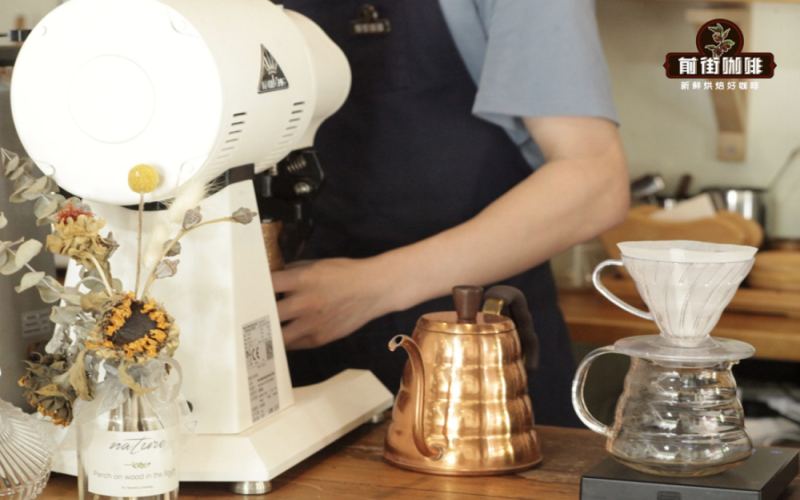
Drip Bag Coffee Peak Flavor Period | What Is the Difference Between Drip Bag Coffee and Pour-Over Freshly Ground Coffee? Is Drip Bag Coffee the Same as Instant Coffee?
The biggest difference between drip bag coffee and freshly ground pour-over coffee is that drip bags use pre-ground coffee. Is there really such a big difference between pre-ground and freshly ground coffee? There will always be some difference. After coffee beans are roasted, they retain a large amount of carbon dioxide, which helps preserve the flavor and aroma of the coffee. Once the coffee beans are ground into particles, [more…]
Can freshly roasted coffee beans be drunk immediately? Analyzing the necessity of resting beans and the optimal time to enjoy them.
Many coffee lovers believe that the fresher the coffee beans, the better, and some even can't wait to brew them straight out of the roaster. But is that really true? This article begins with the development of the domestic coffee market, reviewing the freshness dilemma of the past when people relied on imported beans, as well as the pursuit of coffee bean freshness after the rise of local roasting today. We will explore whether freshly roasted coffee beans are in their optimal drinking state, why beans need to be rested, and how to determine the appropriate flavor window. Whether you are a beginner just starting out or a connoisseur chasing the ultimate flavor, understanding the principles of resting beans can help you better enjoy a good cup of coffee. Front Street Coffee will also provide you with practical advice. [more…]
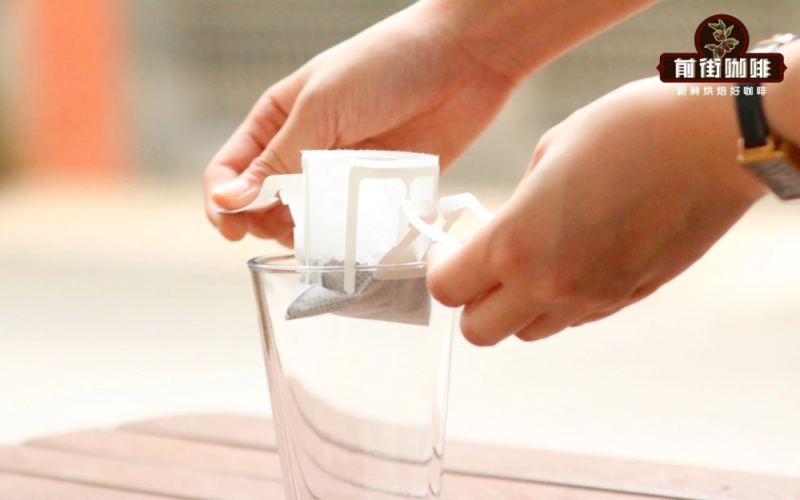
Drip bag coffee is not forever fresh: how long is its optimal flavor window, according to experimental data?
Drip bag coffee has become a daily choice for many coffee lovers thanks to its convenient brewing method. But many people overlook the fact that the coffee grounds inside a drip bag also come from freshly roasted beans, and once ground into powder, the flavor fades far faster than one might imagine. Through a set of controlled experiments, this article uses drip bags made from Front Street Coffee Red Cherry coffee beans, stored with and without preservatives for 1 to 4 months respectively, to observe changes in flavor. The experiment clearly reveals the boundary of the optimal flavor period for drip bag coffee, as well as the actual effect of preservatives on maintaining flavor. For consumers who like to stock up, these conclusions offer directly useful reference value. [more…]